NEW survey is out to improve the council website
Get an early look at the new website design and put it to the test!

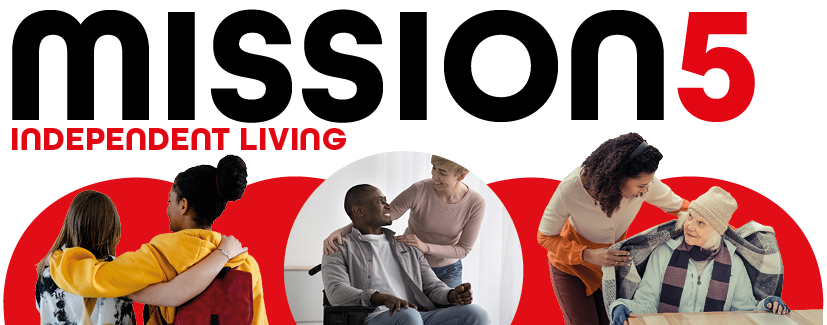
We will do all we can to work with people, from a strengths-based position, to maintain independence.
This can enable better physical and mental wellbeing and keep people in control of their lives, exercising choice, and having maximum autonomy which are fundamental to human dignity. We are proud to be one of only three authorities in England rated ‘Outstanding’ by the Care Quality Commission.
It shows the effectiveness of our health and care system in preserving independence, supporting people to live in their own homes for as long as possible and delivering the highest quality adult social care services. Our foundation is very strong.
Preventing, reducing and delaying the need for care and support can be transformative for our residents and is critical to the sustainability of local public services. With a growing and changing borough where people increasingly have complex health and care needs, promoting independence is also a means to help manage rising demand and help address significant financial pressures facing adult social care.
Over the next few years, we will embed the new therapy-led reablement service ensuring people get short-term support to regain their independence as much as possible. Increasing access to reablement via community referrals, clarifying the reablement offer for more complex needs, and recommissioning the ‘Home Settle and Support’ are just three ways we will be developing our short-term and ‘intermediate’ services.
As pioneers and leaders in care technology, which has proven effective at supporting independence and avoiding hospital admissions, we will continue to modernise and innovate, integrating digital solutions into social care services. We currently support over 4,500 residents and there is scope to grow this through Thames Freeport opportunities in care technology, AI and analytics.
Housing plays a key role in supporting independence which is why we will be strengthening our joined-up approach with housing to meet accommodation-related support needs. We will explore the full range of accommodation options that can assist people with support needs, so that people are able to live independently in their local communities for as long as possible.
Unpaid carers are crucial to enabling a person to maintain independence. The forthcoming Carers Charter and Action Plan will support carers in their caring role by ensuring carers receive their rights and entitlements under the Care Act 2014 including meeting their eligible needs and providing opportunities to get respite from their caring responsibilities.
We are a young, growing borough with complex health and care needs and a high level of children with SEND. This has led to a growth in demand for social care from younger adults, and support in preparing for adulthood. As a result, we have co-produced and are delivering a partnership-wide Learning Disability and Autism Strategy with people with lived experience so that more people benefit from early help and live the life they want to live.
Our approach will put an even greater emphasis on early help and creative partnership approaches to health and social care needs delivered through the neighbourhood working model. A new digital front door will improve how we provide information, advice, guidance and preventative support and new Community Navigators, working from Neighbourhood Networks, will direct residents to community resources, programmes and activities.
A revamped Young at Heart Programme, healthy weight programme, mobility programme, smoking cessation service, Preparing for Adulthood community offer, and ‘Connect’ project to tackle social isolation are the start of developing a new vibrant offer of health and wellbeing support underpinning social prescribing.
Independent people contribute to community life and give back to the wider community, as well as personally benefit from community-led and peer support. Our aim is to prevent, reduce and delay people needing social care through neighbourhood-level prevention which supports physical and mental wellbeing. When people do require adult social care, we will work together to agree personalised, tailored support that recognises individual strengths and assets. This is at the heart of building resilient communities.
| Measure | LBBD | London | England |
|---|---|---|---|
| Proportion of people who received reablement during the year, who previously were not receiving services, where no further request was made for ongoing support | 75.9% | 75.3% | 77.1% |
| Proportion of people receiving long-term support living in their home or with family | 74.9% | N/A | N/A |
Please note: This is the latest available data as at 1st February 2026.
Joint Health and Wellbeing Strategy
Learning Disability and Autism Strategy
Residents and Communities Strategy
Adult Social Care and Support Plan
Safeguarding Adults Strategic Plan
Safeguarding Adults Board
Health and Wellbeing Board
Carers Strategic Group
Learning Disability and Autism Partnership Board