NEW survey is out to improve the council website
Get an early look at the new website design and put it to the test!
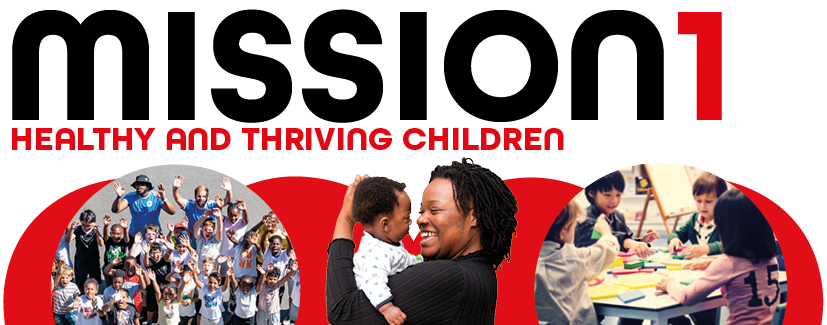
Achieving a ‘Good Level of Development’ (GLD) in early years pays a lifelong dividend influencing health outcomes, education, and socio-economic status.
We know if we can get our children into our excellent local schools with a good foundation of early years development then their opportunities and outcomes are boosted. Otherwise, equality gaps become lifelong deficits.
We need to be sure children are achieving developmental milestones or that issues are detected early to support catch up activity, in some cases triggering referrals for specialist support. The local Health Visiting service is the key service in very early years so we must make those mandated health reviews with families count.
This can be difficult with our transient population as often families arrive in the borough unknown to us meaning they miss out on vital support and may not become visible until their child attends school. Investment in the Health Visiting and family support system to grow capacity will be a priority for the system to improve impact of Health Visiting and achieve GLD targets.
Early intervention is key and why the 24-to-30-month developmental review is so important. Currently not all children/families are receiving this which is a missed opportunity. For children with special educational needs missed opportunities for identification/ diagnosis and support for families can be limiting as they fall so far behind GLD that participation in mainstream education becomes difficult, notwithstanding longer-term equality gaps that compound.
As a system we will be delivering the Government’s ‘Giving every child the best start in life’ strategy aiming to meet the ambition that 75% of five-year-olds in England have a good level of development by 2028. Developing the three Family Hubs in the borough is at the heart of achieving that goal. Behind these access points, including our digital front door, Family Navigators will connect families to the local system of universal and specialist support.
But we need to develop that system of support further so that it is more integrated and cohesive, and so there is a wealth of support to meet all early year needs. The design of our 0-5 offer is being co-produced with the VCFSE and families who use those services. We will be exploring innovative and creative non-clinical models of support and working with Barnardo’s who will bring new perspectives about how we can improve and work differently.
Language and communication development is the foundation for all learning. Too many children in Barking and Dagenham have language deficits which hinders progress and prevents them from achieving GLD at reception. As well as providing connection between parent and child, reading in early years is the habit that will support school readiness and reaching developmental milestones. There is dedicated speech and language therapy and activities in local Family Hubs to support parents with their children's language and literacy development, but we need to inspire and encourage home reading and the home learning environments for all parents.
Children everywhere in the UK, including Barking and Dagenham, live in an obesogenic society surrounded by things that contribute to bad diet and nutrition or sedentary behaviours. Most recent data from the National Child Measurement Programme (2024/25 academic year) showed nearly a quarter of reception aged children were overweight or obese impacting their health now and storing up health risks for later in life such as type 2 diabetes, hypertension, cardiovascular diseases, liver disease and some cancers.
Childhood obesity cannot be dealt with in isolation of the family context, so it needs a whole family approach which will be delivered through the healthy weight family support offer. With that provision we are considering a Healthy Weight Navigation function which can work with families to understand the factors influencing their weight, set realistic goals, overcome barriers to access, and develop tailored solutions with choice and flexibility in mind.
Families will be connected to community-led activities and resources, including physical activity sessions, cooking clubs, and healthy eating initiatives to support healthy lifestyles. Also, a new healthy weight design and delivery partner has been commissioned to act as an enabler of change and they will use their expertise in engaging with communities, networks and partners, and their experience of developing innovative healthy weight initiatives to create a community driven approach.
This will includes designing a whole borough healthy weight plan with our partners, new healthy weight pathways, digital support, healthy weight activities, individualised healthy weight guidance and support, and specialist help for those who cannot access mainstream activities.
School readiness is an important determinant of life outcomes which is why we must not let opportunities to help families slip and why we need to have a vibrant offer of family support in every Barking and Dagenham neighbourhood. And, to improve health outcomes we need to change the obesogenic environment young people are living in and support and empower families to embed healthy habits into their daily lives. Achieving both these aims will lead us to a healthier future for our children.
| Measure | LBBD | London | England |
|---|---|---|---|
| Percentage of children achieving a good level of development at the end of Reception | 67.3% | 67.8% | 70.1% |
| Percentage of children in Reception who are either overweight or living with obesity and includes children who are living with severe obesity | 22.9% | 21.1% | 23.5% |
Please note: This is the latest available data as at 1st February 2026.
Joint Health and Wellbeing Strategy
Barking and Dagenham Good Food Plan
Best Chance Delivery Group
Health and Wellbeing Board
Physical Inactivity Place Partnership
Good Food Partnership