NEW survey is out to improve the council website
Get an early look at the new website design and put it to the test!
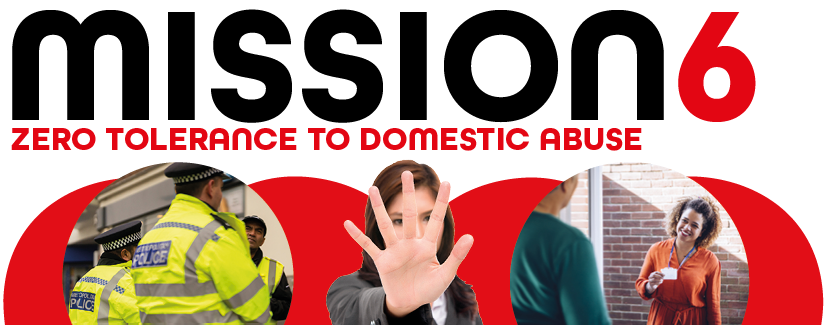
The Domestic Abuse Commission was launched in 2020 to drive a whole-system response and be a catalyst for investment in the domestic abuse service offer for survivors, perpetrators and children and young people.
Multi-disciplinary teams have been established to tackle domestic abuse at key intervention points, and we have introduced tools, resources and training to ensure a trauma-informed understanding and responses to domestic abuse across the system. We have also nurtured community groups and spaces supporting the community to tackle tolerances and behaviours and developed peer support. We’ve achieved much in the last five years, but there is undoubtedly much more to do.
Tragically, Barking and Dagenham still has the highest rate per 1,000 of reported domestic abuse in London[1] and we know actual levels of domestic abuse will be higher than what gets reported to the police. Too many lives are impacted by domestic abuse. In a few cases, some have been lost. More preventable tragedy is the outcome if we cannot achieve zero tolerance and prevent violence and abuse in all its forms.
System change and development will be described through a new Violence Against Women and Girls Strategy. This will include reviewing the local offer of support and what we commission and deliver directly. Through this we will seek to deepen partnerships with the NHS and the Police, better co-ordinate across the commissioned service offer, build intelligence and improve information sharing, and build on Family First partnerships. The key objective is to have quick and effective referral routes to help survivors flee and to support them thereafter.
The funding environment for domestic abuse services and programmes is sometimes uncertain and short term so we will, as we have been doing, aim to secure funding from the Home Office, MOPAC (and other funders) to enhance, increase and improve local service provision supporting and bolstering what we are investing locally across the partnership already. It’s important we back this agenda with appropriate resources. Partners committing to maintaining levels of investment is key to ensuring sustainability of what we’re trying to do.
Relentlessly pursuing perpetrators and making them accountable for their behaviours and actions is the path to reaching zero tolerance. Our aim is to help perpetrators to change through support programmes, but even more important is identifying the most harmful and serial abusers and bringing them to justice and protecting victims through other perpetrator interventions.
We will be seeking to introduce a multi-agency tasking and coordination (MATAC) approach to identify and monitor perpetrators to prevent re-offending as well as support and enforce against perpetrators. Through a MATAC approach agencies can share intelligence and co-ordinate to make the borough a hostile environment for perpetrators where different partners act against them – for example local employers and landlords.
We need a strong and unified message that domestic abuse of any kind, to any extent, is not tolerated here by anyone – not by the survivor, their friends or family, their employer, landlord, teacher, doctor, etc. So, alongside the pursuit of perpetrators, we need to build a grassroots behaviour change campaign co-produced with residents that reaches and engages all parts and sections of the community working with schools, colleges, faith groups, businesses, and community groups of all kinds.
Creating a supportive atmosphere and environment will empower survivors to report and disclose their abuse to those around them (and to the appropriate authorities), feel heard and believed, and have the courage and support to escape their situation. The same culture and environment will help everyone in any setting to speak out so domestic abuse becomes socially unacceptable and harder to conceal or go unchallenged.
The future we want is one where perpetrators suffer the stigma of domestic abuse, not the survivors, and where survivors are never held responsible for a perpetrator’s behaviour.
| Measure | LBBD | London | England |
|---|---|---|---|
| Percentage of repeat MARAC cases | 19.3% | 23% | 29% |
| Percentage of survivors who feel safer, following support from specialist services (LBBD commissioned services) | 97% | N/A | N/A |
Please note: This is the latest available data as at 1st February 2026.
Domestic Abuse Commission Action Plan
Community Safety Partnership
MARAC Steering Group